Investigating Inheritance Patterns with Fast Plants: Coaching students to score phenotypes

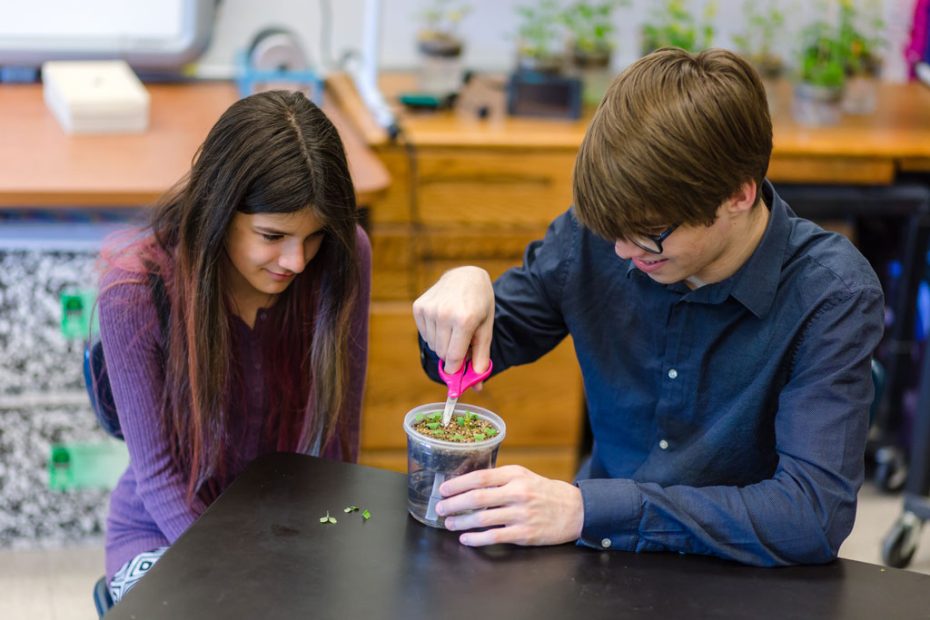
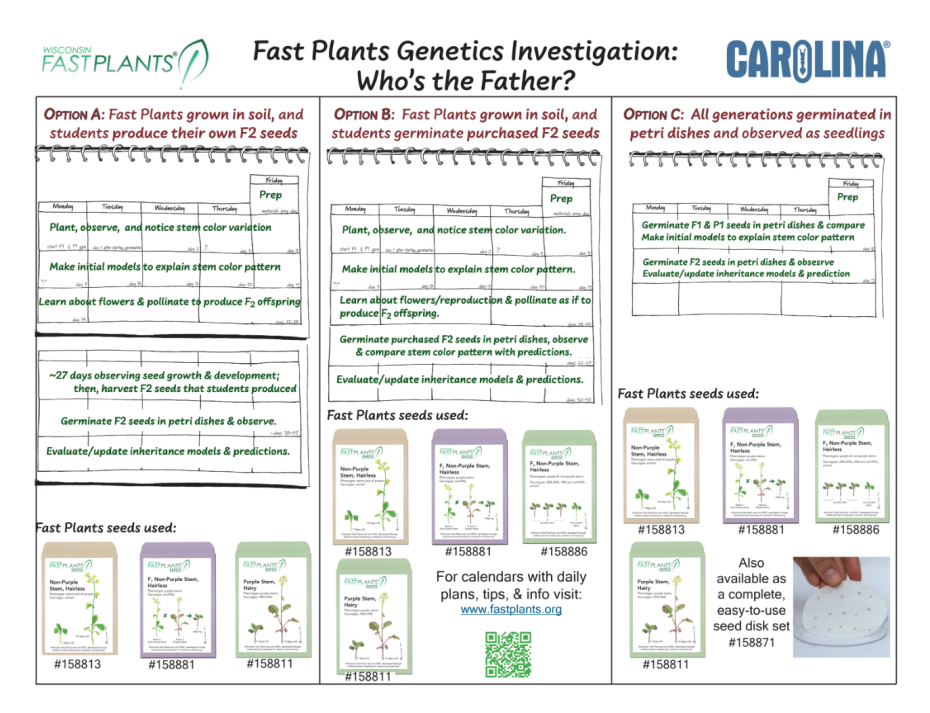
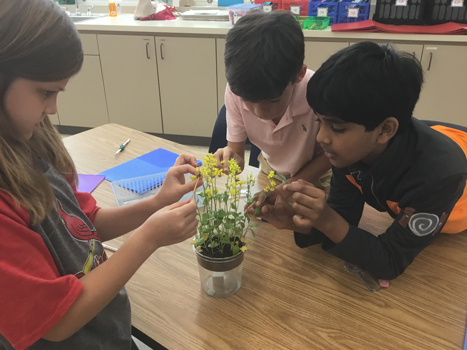
Student-centered Inheritance Investigation: Hands-on & High-rigor Inheritance and patterns of heredity are central to middle and high school science standards, but they can be hard for students to understand without chances to talk through evidence together. While case studies and pedigrees can introduce key ideas, students develop deeper understanding when they collect data, compare observations, and make sense of results as …

Timing Fast Plants lessons effectively to optimize students' observations

When to plant Fast Plants?

Timing Fast Plants Lessons Effectively: How Strategic Planting Dates Help Students Witness Every “Aha!” Moment Timing Fast Plants lessons effectively is one of the simplest ways to elevate student learning with Wisconsin Fast Plants®. Because these plants move through their life cycle so quickly, when you plant matters! By choosing a planting start date that aligns with your instructional goals, …

Chemical Environment: Growing Healthy Fast Plants

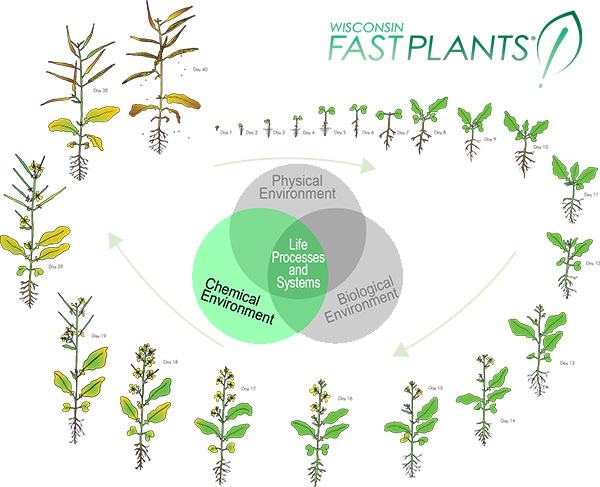
Growing healthy Fast Plants is easy if you understand how the environment can affect growth and development. Three broad categories of environmental factors influence how an individual plant matures through its life cycle: 1) the physical environment, 2) the chemical environment, 3) the biological environment. This post is part of a series explaining how key chemical environmental factors can impact plants, Wisconsin Fast Plants in particular. Our website describes …

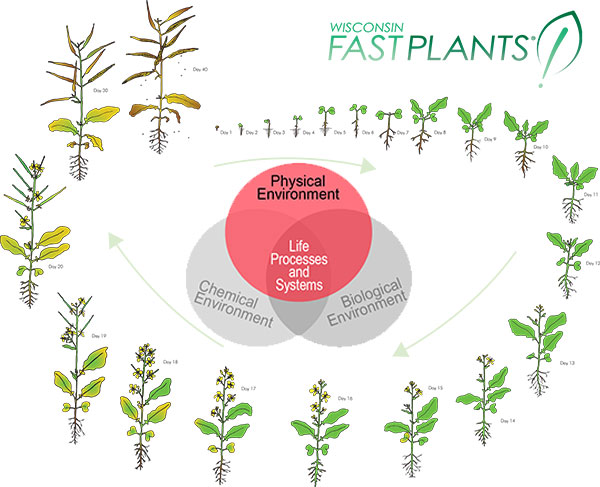
Physical environment factors, along with chemical and biological factors, affect Fast Plants systems and life processes

Physical Environment: Growing Healthy Fast Plants

Growing healthy Fast Plants is easy if you understand how the environment can affect growth and development. Three broad categories of environmental factors influence how an individual plant matures through its life cycle: 1) the physical environment, 2) the chemical environment, 3) the biological environment. This post is part of a series explaining how key environmental factors–physical, chemical, and biological–can impact plants, Wisconsin Fast Plants in particular. Our …

plant research in space on Blue Origin with Nguyen

Plant Research in Space

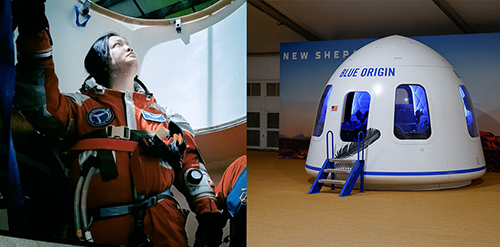
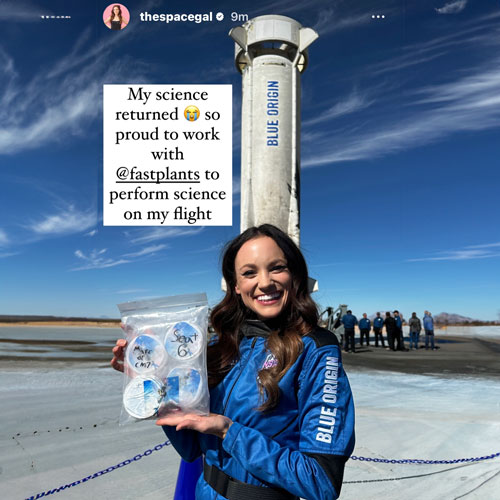
Fast Plants in Space: Next Steps with Amanda Nguyen & Emily Calandrelli Long-term space exploration depends on many factors, and plant research in space is one of the most pressing. For decades, Wisconsin Fast Plants have helped scientists and educators explore biological mysteries, and now, they’ve returned to orbit, contributing to plant research in space. Blue Origin’s Fall 2024 mission …

Emily Calandrelli will fly Fast Plants in space on Blue Origin

Fast Plants in Space: Past, Present, and Future

Wisconsin Fast Plants® of the Department of Plant Pathology at UW-Madison are helping scientists explore how plants can thrive beyond Earth, and they’re paving the way for future space farming and sustainable life support systems in space. In fact, if you follow on Instagram #fastplantsinspace (@fastplants) we’ll be sharing about Fast Plants in flight on Blue Origin with Emily Calandrelli …

plant systems pathway for plant breeder

CTE: Plant Systems Career Pathway cultivates success with Fast Plants!

Future Depends on Plant Systems careers In the ever-evolving landscape of agriculture and plant sciences, the need for hands-on experiences growing plants has never been more critical. Career Technical Education (CTE) courses in the Plant Systems Pathway are foundational for future professionals in a wide variety of plant science fields, and one valuable addition that stands out is the incorporation …

Fast Plants conference booth with hedi dan jackson

Fast Plants Conferences 2023 NABT CAST ACTE Booth Resources

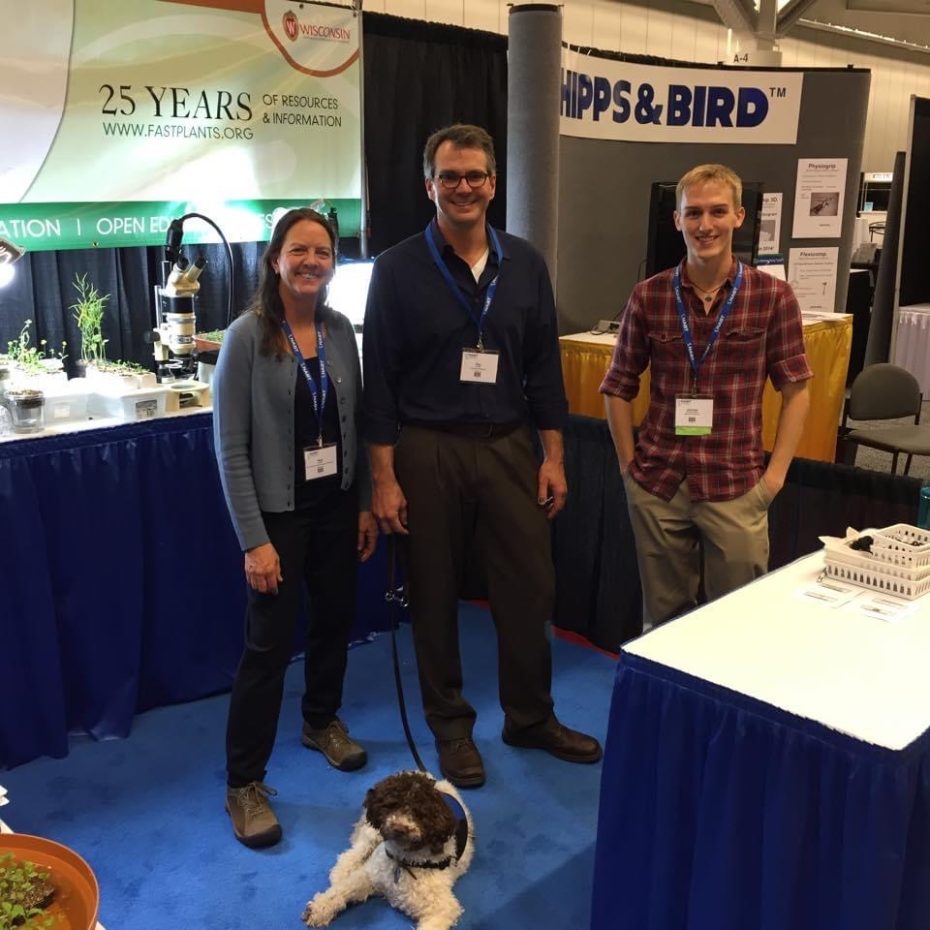
It’s the season of professional development conferences for teachers, educators, and our Fast Plants Team! Come visit our booths in the exhibit halls, they’re always packed with living Fast Plants, recommended resources, and good conversation. Jackson is attending NABT in Baltimore; Hedi and Dan are attending CAST in Houston and ACTE in Phoenix! This blog post summarizes what you’ll find …

Seed harvest by students at all ages is a valuable learning experience.

Seed Harvest – Identifying Mature Seeds

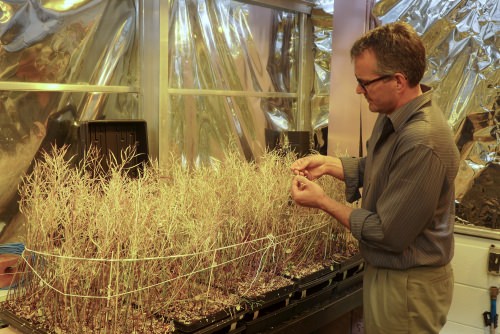
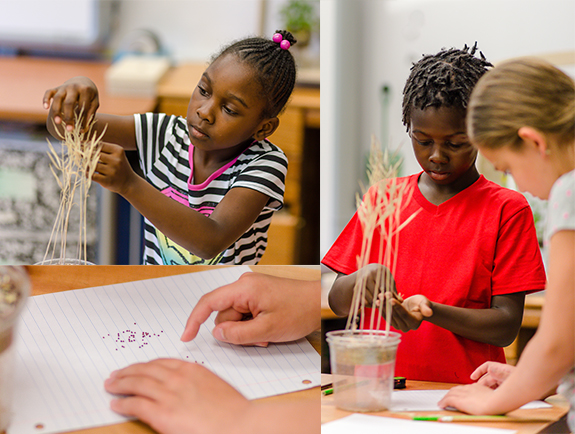
Producing Fast Plants seed for investigations that need offspring generations Seed harvest is an essential step in any Fast Plants experimental design that involves gathering evidence from offspring plants that students produce themselves. For example, you may have students conduct an inheritance investigation in which they inter-mate Fast Plants from an F1 generation to produce and observe the F2 offspring. …

New DIY Grow Lights for Fast Plants

Superior Grow Lights: Easy build your own What grow lights do I need for growing Fast Plants? That’s an important question. However, it also may be the start of a missed learning opportunity, if we’re not mindful. Consider for comparison your reaction when a student asks: “What do I need to know for the test?” Likely, your response includes hoping this …

Conceptual flow ecosystem dynamics investigation

Ecosystem dynamics investigations

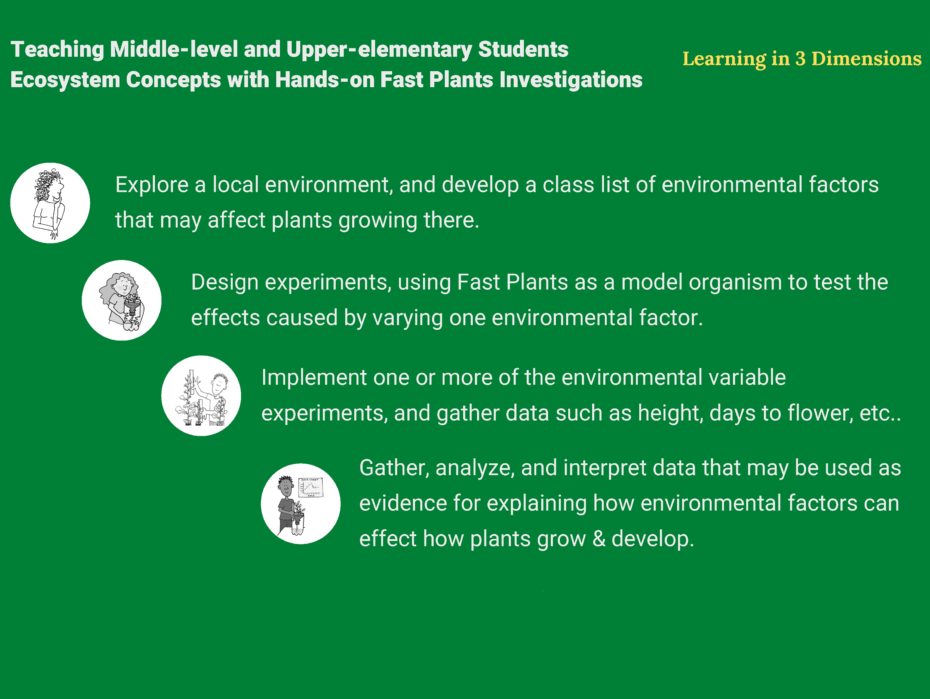
Why hands-on ecosystem investigations? Ecosystems are highly complex systems; how can we support learners to grasp the effects on populations when one component of an ecosystem changes? Using a model ecosystem and model population in a hands-on investigation is an effective teaching strategy. In addition to making abstract ecosystem concepts more concrete, using Fast Plants as a model organism in …

Polycots for selection experiments with Wisconsin Fast Plants

New! Polycots Fast Plants Seed Line: Engaging & versatile for selection experiments

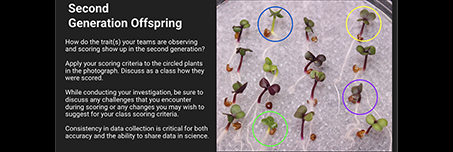
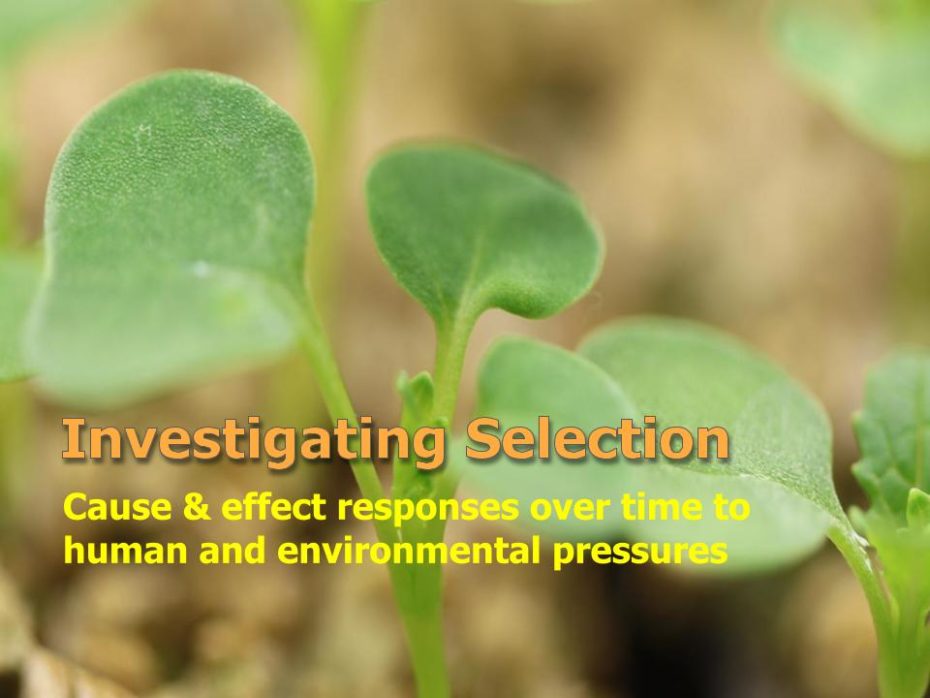
Polycot seedlings are easy to distinguish just a few days after germination! Our new Polycots seed line of Fast Plants features a trait that students can easily see at the seedling stage. In addition, we’ve developed a procedure for producing parental (Generation 1) and offspring (Generation 2) Polycot seed stocks, so it is not necessary for students to produce their own …

Preservice teachers on the frontline in ending plant blindness

Preservice teacher learners become effective teachers of science by developing strong content and content pedagogy knowledge that support all learners. In other words, the learning arc for preservice teacher learners is multilayered and jam-packed! So, it’s a tall order to hope that future teachers of science–elementary and secondary–are the solution to our national epidemic of plant blindness. “Plant blindness” may …

Growing Fast Plants with children inspires learning

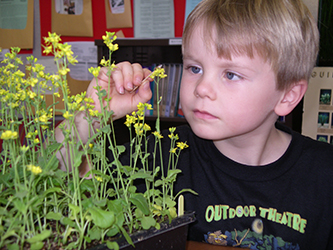
Growing plants inspires a botanical path

Growing plants inspires everything from a solid appreciation for plants to a lifelong passion. Equally important to inspiration, growing plants can be key to developing citizens literate about our dependence on plants for life. With this in mind, we share here Daniel Murphy’s firsthand account of his experiences growing plants and becoming–in his words–“a bona fide plant nerd.” Daniel publishes a weekly blog titled, Awkward Botany, sharing his …

My first experience teaching with Fast Plants

Classroom teacher, Julie LaConte, tells about her first experience teaching with Fast Plants in this guest post. Thank you, Julie, for sharing your insights and experiences! Fall 2019 was my first experience teaching with Fast Plants, and plants are one of my least favorite topics to teach.  After 18 years as an upper elementary and middle school science teacher, I have had my fair share …

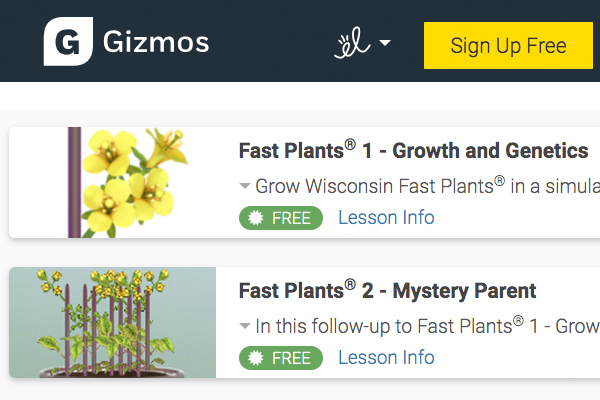
NEW! ExploreLearning releases Wisconsin Fast Plant® simulation Gizmos®

Two Wisconsin Fast Plants® simulation Gizmos® were created as a collaboration between ExploreLearning and the Wisconsin Fast Plants Program. These simulations were designed to support a variety of investigations and growing Fast Plants. AND they replace the simulations created nearly two decades ago that can no longer function on modern operating systems! Simulations complement physically growing Fast Plants Using these Gizmos during or after growing Fast Plants, …