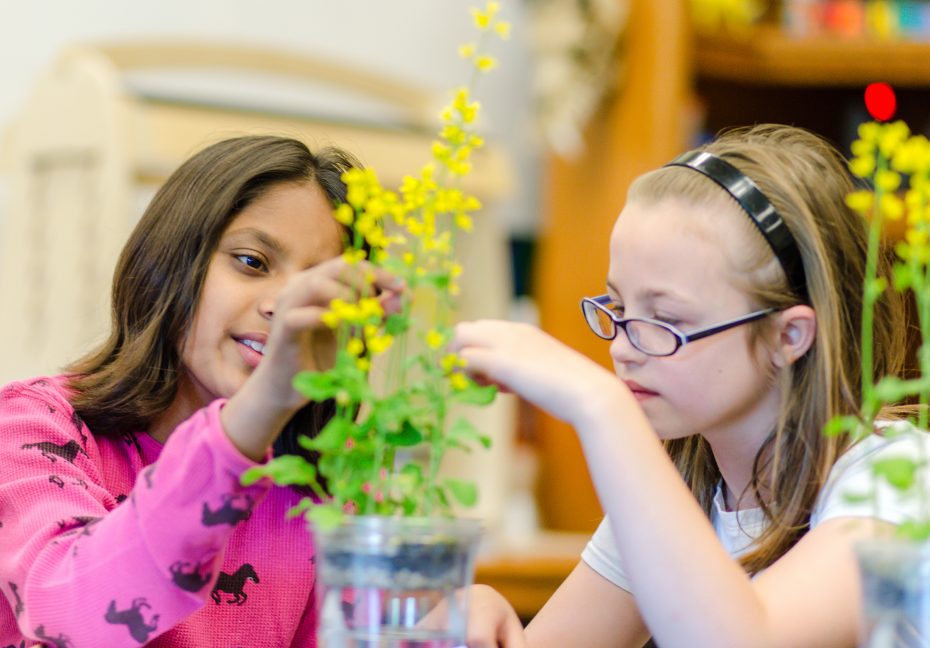
Maybe you’ve grown Wisconsin Fast Plants before, or perhaps you’re just getting started–either way, we all want to grow strong, healthy Fast Plants. Nobody wants tall, spindly plants that need support or sickly plants that barely flower. No problem! Read on, and we’ll explain three common pitfalls to avoid when setting up growing conditions that support healthy Fast Plant growth. 1. Not …
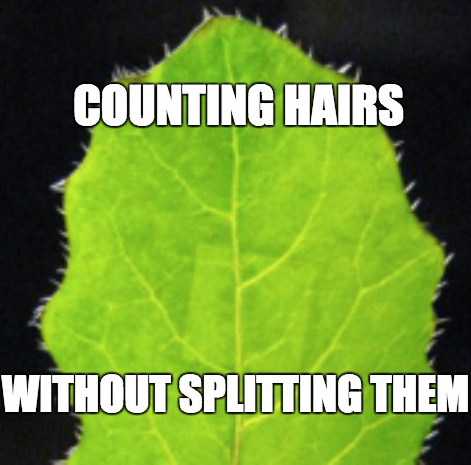
Counting Leaf Hairs on Fast Plants for Selection Experiments
Hairs are not often a trait that we associate with plants. However, of all the traits that students might observe in a population of Fast Plants, we can learn a lot about variation and natural selection by counting and selecting for the number of hairs on a leaf margin. Selective breeding to increase (or decrease) hairiness can provide an excellent opportunity …
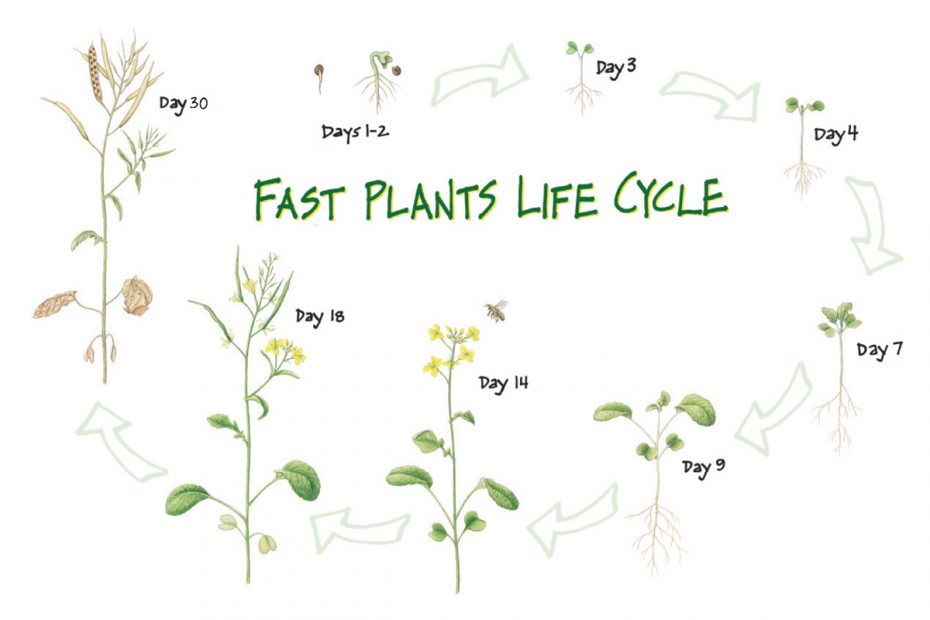
Teaching with the Fast Plants life cycle
Life Cycle Investigations Life cycle investigations with Wisconsin Fast Plants® provide rich context for teaching and learning a broad range of concepts. Though some think of the plant life cycle as limited to elementary level lessons, investigations and observations made during the Fast Plants life cycle are used worldwide at middle, high school and college levels, too. Crosscutting Concepts and life cycles Try to …
Can bee sticks sting?
Questioning whether or not dead bees including if bee sticks can sting comes up fairly often, and some folks also raise concerns about potential allergies. Here’s how UW-Madison’s entomologist, Dan Young, explained to us about the potential of getting a bee sting from a dead bee: I get this question once in a while, and the answer is clearly, NO. Dead …
- Page 2 of 2
- 1
- 2