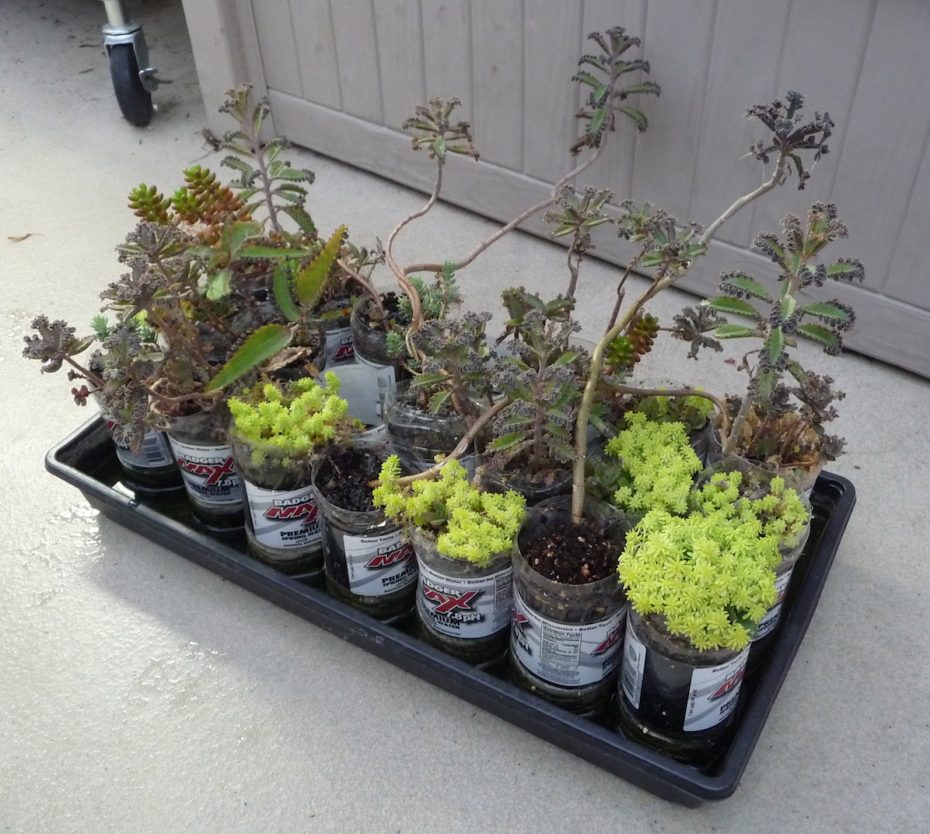
Wisconsin Fast Plants presents this guest blog as a contribution from a member of our sister program, Bottle Biology. Bottle Biology projects encourage creative ways to grow plants, such as the bottle growing system, to promote science as a tool everyone can use to explore the world. This guest blog is provided by Bottle Biologist Joel Cryer. Thanks Joel! Construction …
Inheritance and Genetics: Understanding Patterns of Inheritance in Fast Plants
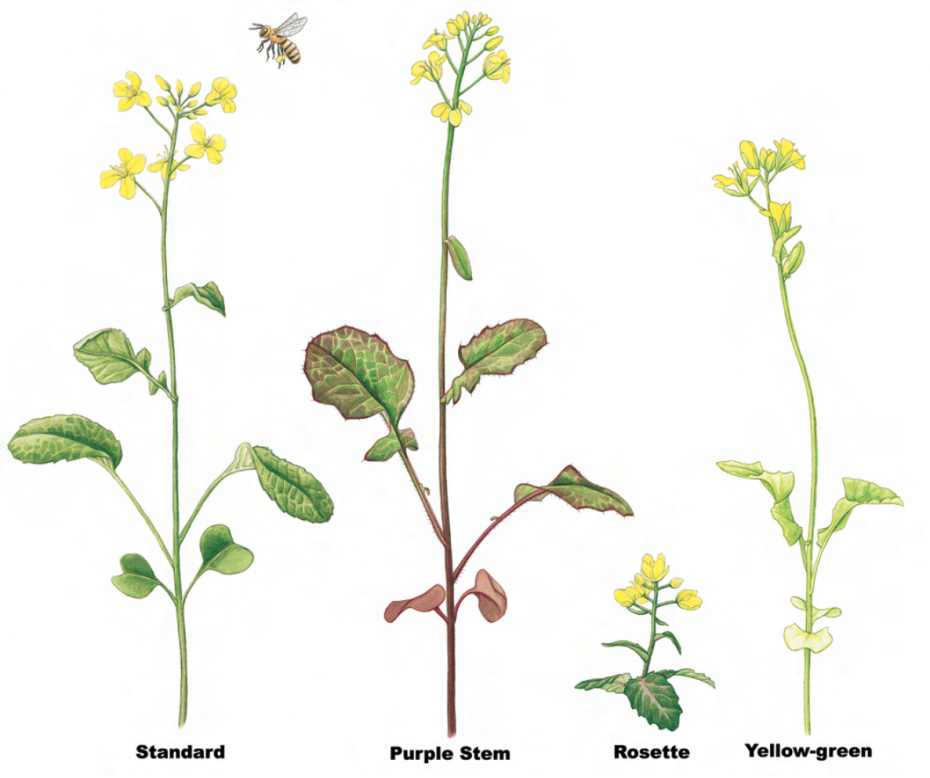
Wisconsin Fast Plants are an ideal model organism for observing and learning about inheritance patterns! Monohybrid and Dihybrid crosses demonstrate Mendelian patterns while other genetic stocks provide opportunity for observing cytoplasmic traits and developing of selection experiments. What inheritance patterns are observable in Fast Plants? Mendelian traits: monohybrid cross this investigation focuses on the genetics of the plant stem color trait Mendelian traits: dihybrid …
Teaching Hands-On Life Science Using Wisconsin Fast Plants
Wisconsin Fast Plants are perfect for teaching life science in the classroom! Initially developed as a research tool at the University of Wisconsin – Madison, Fast Plants have 30+ years of use as a model organism in K-12 education. This post is an introduction to teaching with Fast Plants, with links for easy access to materials that support developing and implementing hands-on life science …
Are Wisconsin Fast Plants Genetically Engineered Plants?
Simply stated, Wisconsin Fast Plants are not genetically engineered plants. Rather, Fast Plants are the result of over 30 years of conventional plant breeding that continues, today. This plant breeding began in about 1974, using the same ways of doing things that people have used for at least 10,000 years to tame/control and improve crops for human use. In other words, those Brassicas …
Teaching with the Fast Plants life cycle
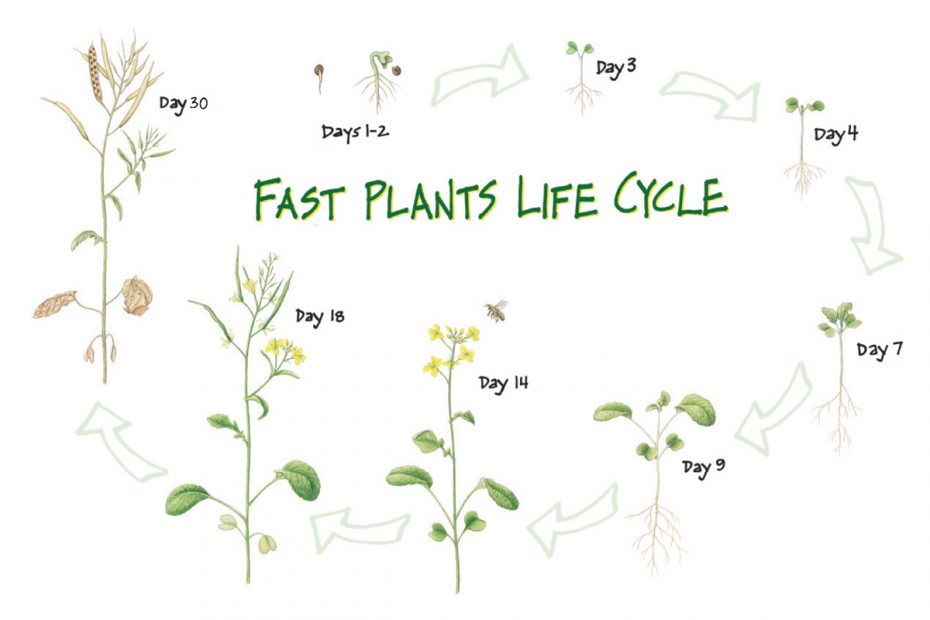
Life Cycle Investigations Life cycle investigations with Wisconsin Fast Plants® provide rich context for teaching and learning a broad range of concepts. Though some think of the plant life cycle as limited to elementary level lessons, investigations and observations made during the Fast Plants life cycle are used worldwide at middle, high school and college levels, too. Crosscutting Concepts and life cycles Try to …
Can bee sticks sting?
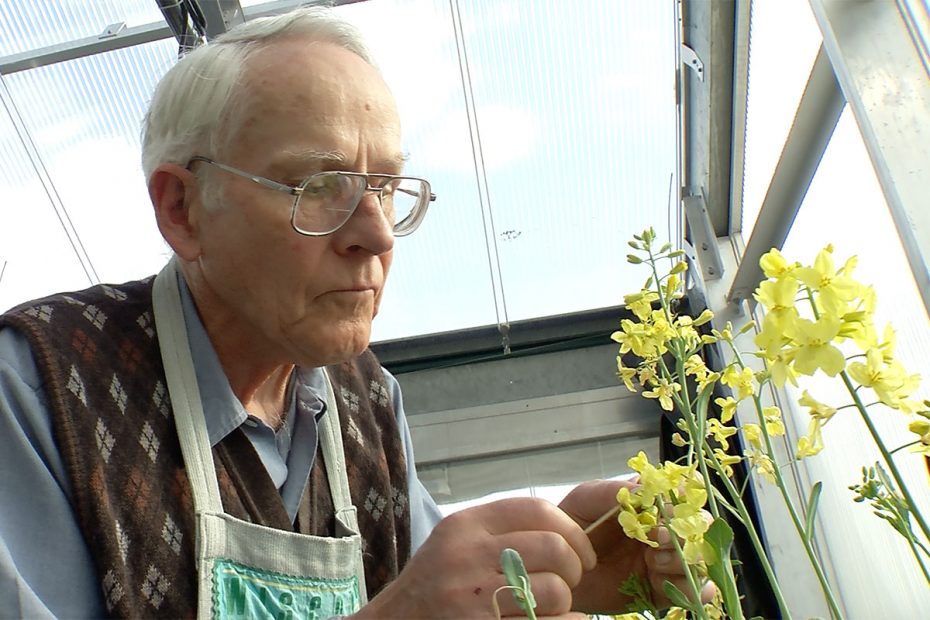
Questioning whether or not dead bees including if bee sticks can sting comes up fairly often, and some folks also raise concerns about potential allergies. Here’s how UW-Madison’s entomologist, Dan Young, explained to us about the potential of getting a bee sting from a dead bee: I get this question once in a while, and the answer is clearly, NO. Dead …
- Page 2 of 2
- 1
- 2